Tag: 3D rigging

  • The Character Mosaic Project

    The Character Mosaic Project

    The Character Mosaic Project aims to increase representation of minorities and under served populations by making a number of ethnically accurate characters available online. The hope is to encourage animators and artists to produce more relevant and empathetic stories for broader audiences, and to allow young children to see themselves in their favorite stories.

    To learn more, you can view our project pitch here:

  • Fear the Mascot: Ribbon Spine

    Fear the Mascot: Ribbon Spine

    Every year, my intro to 3D modeling class directs the creation of a hybridized character as we explore how to model organic creatures. After about 5 years of classes, I seem to have built up quite a collection of petrifying creatures that should really never be seen in real life!

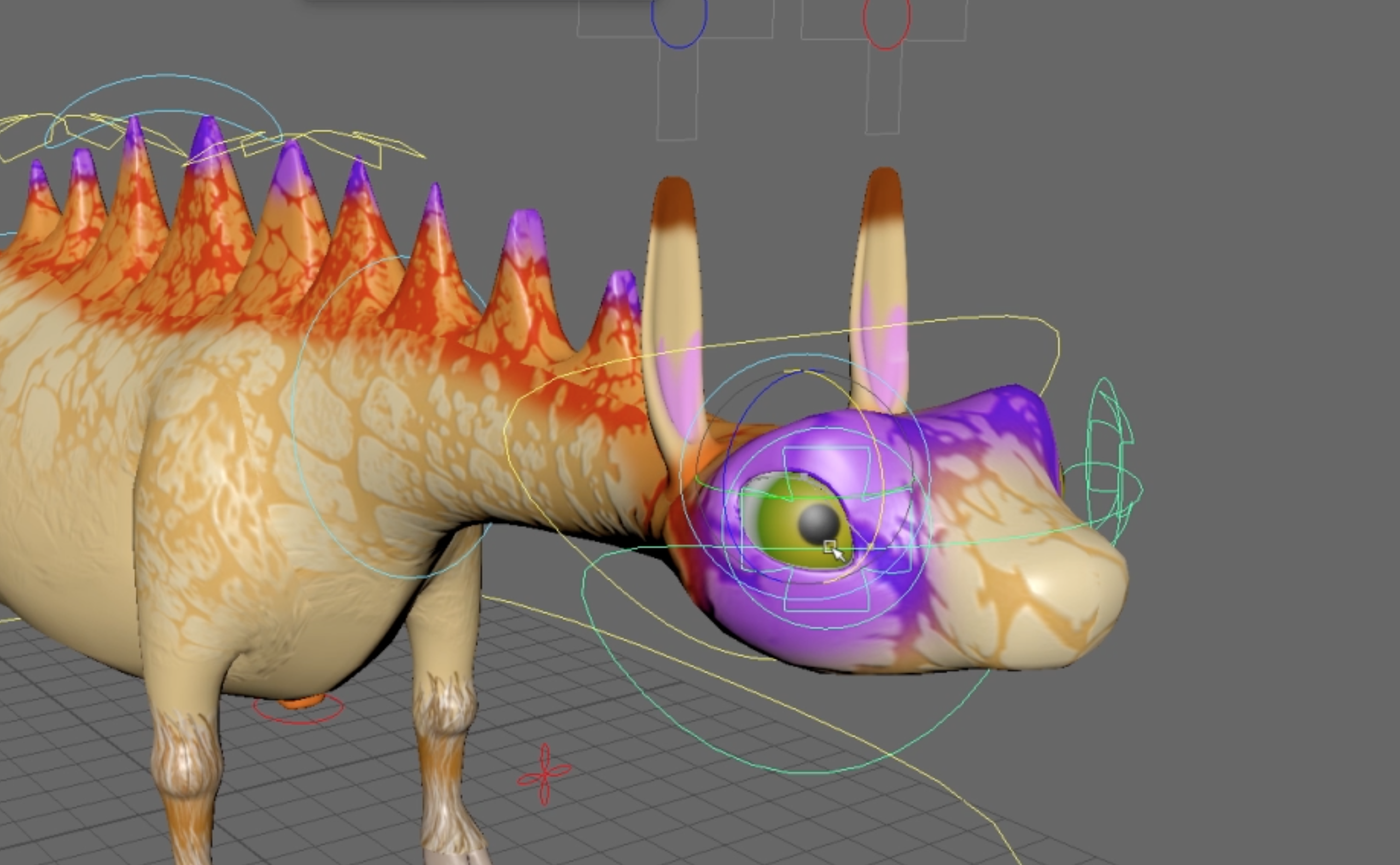
    This year’s class mascot, Fear ended up being a big hit. With the head of a snake, the forelegs of a goat, the hind legs of a cat and the tail of a raccoon with some added dinosaur spine ridges thrown in just for fun, Fear is surprisingly quite a handsome creature!

    Being UV mapped and posed by the end of the semester, I found him to be the perfect candidate to test out a few simple rigging techniques on, my focus here being the ribbon spine. I may revisit the rig later to add in a reverse FK spine too, but that depends on whether a new favorite mascot emerges! See a small demo below!

  • The Character Mosaic Project

    The Character Mosaic Project

    The Character Mosaic Project aims to make diverse characters more accessible thereby encouraging animators and filmmakers to make more ethnically inclusive stories.
    As these characters get refined, they will be made available to broader audiences as international and domestic animation professionals will be able to use them in their films as well. This project will bring attention to (and address) a very important issue in mainstream media and step away from limited stereotypes and unfair projections.
    Sheryl Browne Graves speaks to this directly in the Journal of Social Issues:

    “Television programming provides information about social groups in two ways: by inclusion and by
    exclusion. When diverse groups are included, television content offers specific examples of the
    physical, psychological, social, cultural, and economic characteristics of each group. However when
    groups are absent from the television curriculums there is implication that the missing groups are
    unimportant, inconsequential, and Powerless. Both types of information can contribute to the
    development, maintenance, and modification of children's thoughts, feelings, and actions towards
    racial/ethnic groups.”

    It is hoped these characters will begin a new movement to represent a multitude of nationalities and
    cultures around the world. By creating meaningful characters we hope to provide a new cast of
    role-models for younger generations, thereby allowing them to empathize with other races and
    cultures and attribute a sense of familiarity to them.

  • CGMA Rigging Workshop

    CGMA Rigging Workshop

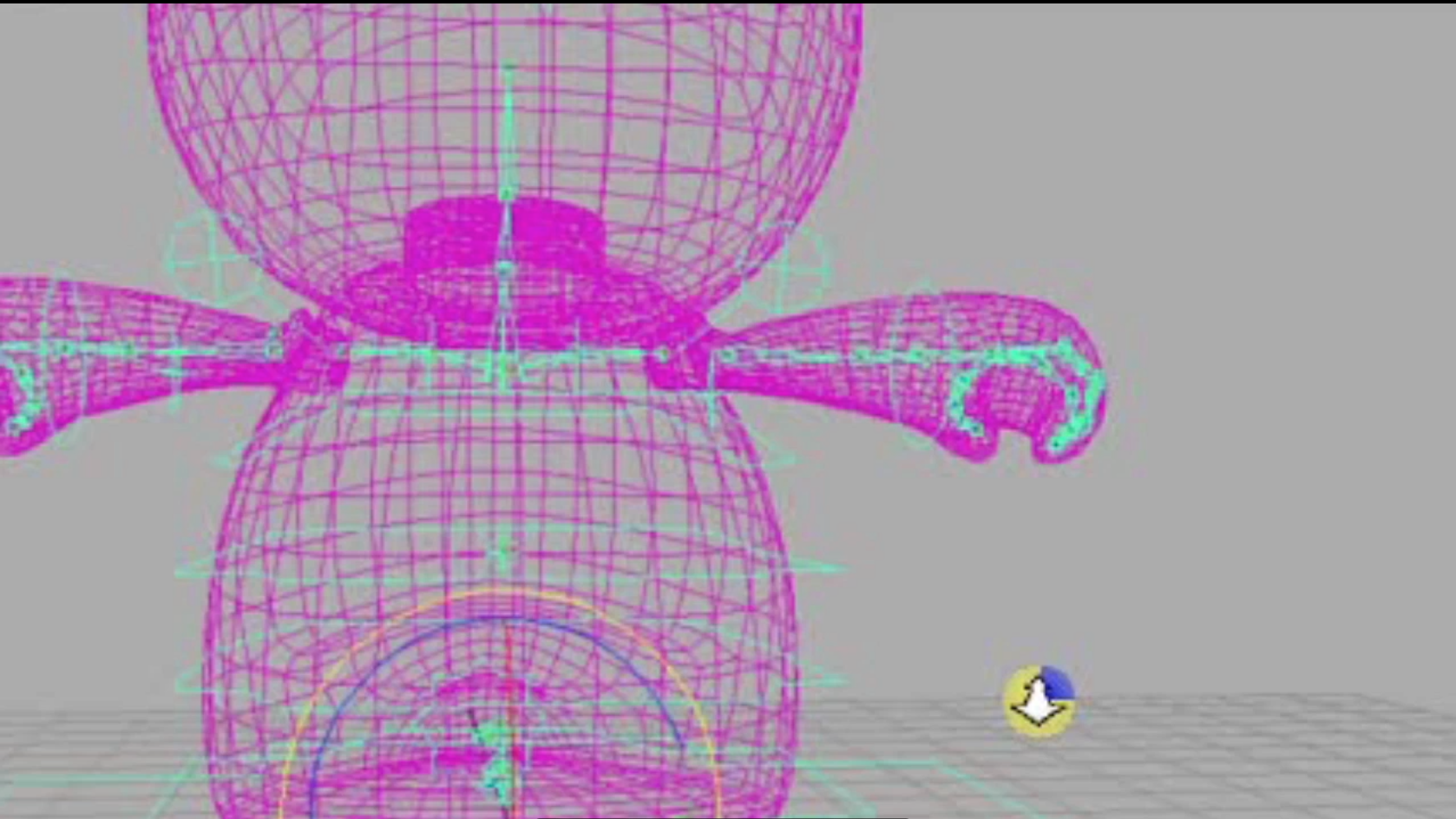
    Super excited to have completed this intensive yet illuminating course with the CG Master Academy with Nico Sanghrajka!

    I’m so inspired I can’t wait to redesign my own rigging class to reflect the new information!