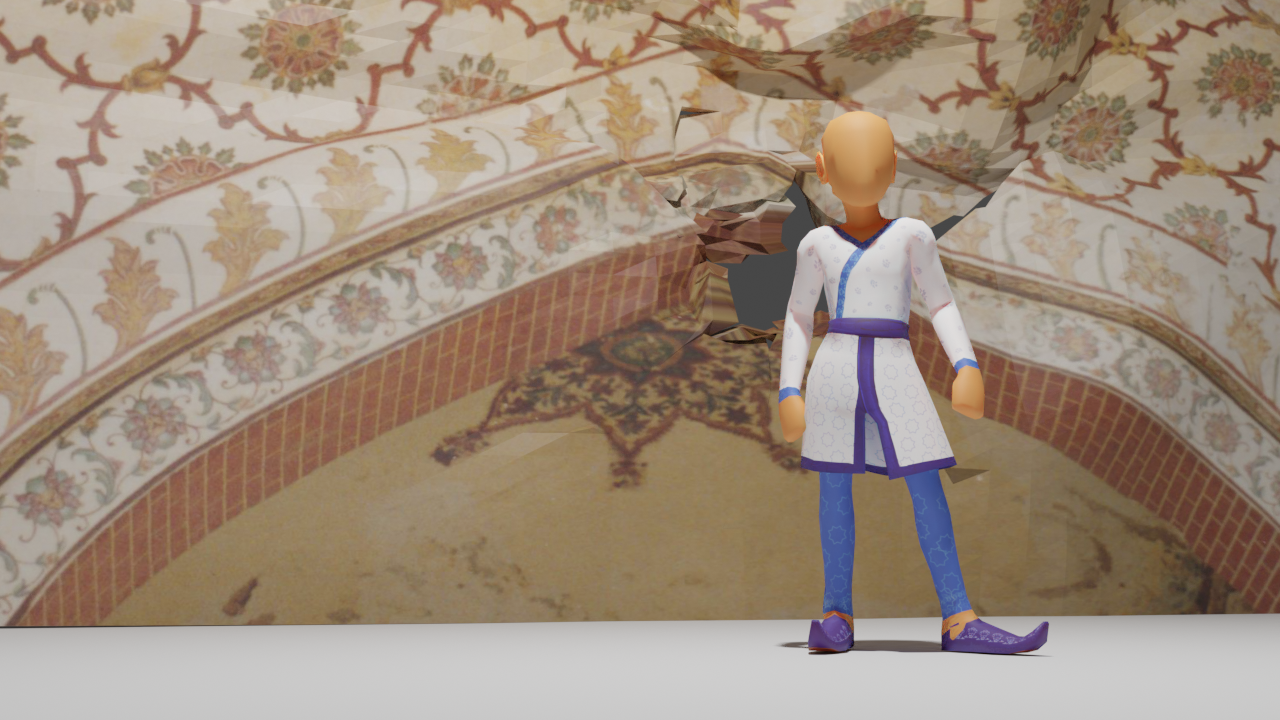
The first of the Great Mughals, Babur was the orphan king who ascended to the throne as an 11-year old. In the decades that followed, he experienced great strife and turmoil, but his unbeatable spirit won the loyalties of armies and followers across Central and South Asia.
Tag: 3D Characters
-
Revisiting the Iroquois Creation Story in 2020
Five years after it’s first launch, the Iroquois Creation Story (or ICS for short) is enjoying a mini-revival in 2020. With the sparking of a brand-new (old) conversation about diversity in animation and appropriate cultural representation, this project is being used as a prime example of how to respectfully represent the ideology of a nation.
Having recently given a talk on the topic of cultural appropriation, I discovered how, the more terms like “representation” and “appropriation” are bandied about, the less clear they seem to become.
Yet, in the creation of the Iroquois Creation Story we can see how possible it is to bring forward the beliefs and values of a culture without subverting it in the name of “artistic license” or stylization. Animation, like any other field of art, is merely a tool for communication and can adapt to represent any ideology.
Firstly, this film was first imagined and conceived by G. Peter Jemison, Native American artist and representative of the Seneca Nation of Indians and the manager of the Ganondagan State Historic Site. A prolific artist himself, he contributed heavily to the concept art that went into the preparation and design of this film.
As the Director of Animation (and a non-American), I could not rely on my previous stereotypical knowledge of Native American culture to design this film. It took some conscious education and examination for our creative team to deprogram ourselves from pop-culture stereoptypes. It could be so easy to justify arbitrary choices as the “rules of animation” or the “rules of character design”, but the goal of this film was to get it right, not make it easy.
So we relied heavily on the art and feedback of G. Peter Jemison, and did our best to translate the core essence of his imagery into the animated medium. Using the work of the very talented New York City-based concept artist Patricia Raubo, we built the cast of characters that would appear in this story.

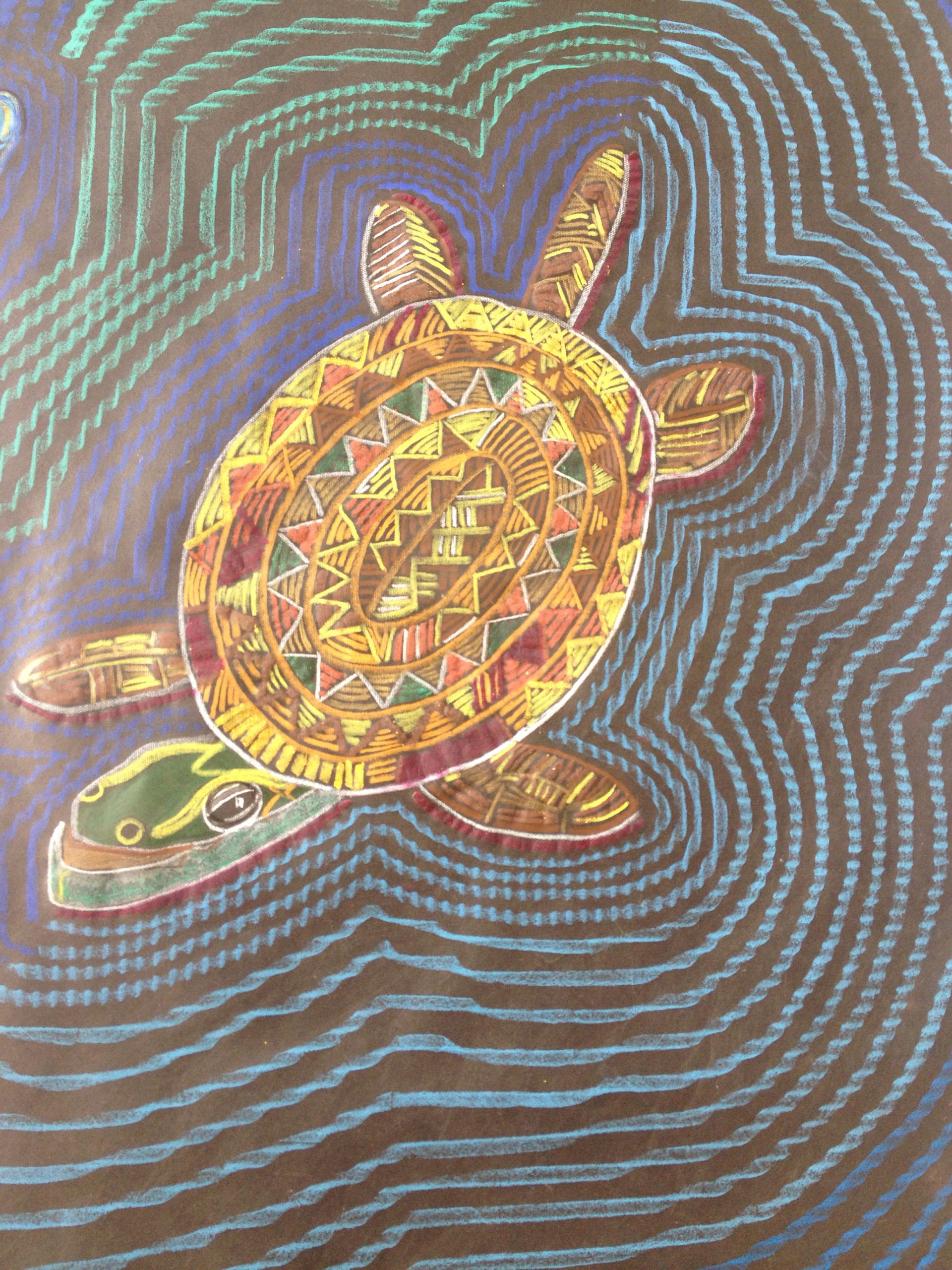
Left: Original art by G. Peter Jemison. Right: Concept art for ICS by Patricia Raubo Every character and each significant prop in this story was researched to truly understand its place in the film. Because we understood that even though the casual viewer would very likely miss such details, our core audience, the Iroquois Nation, would notice and hopefully, appreciate them.

Reference Images and Iroquois Creation Story Moodboard. All artwork by G. Peter Jemison. With the script inspired by Chief John Arthur Gibson’s publication of the Iroquois Creation myth and the concept art in such fine state, one might expect that our adherence to representation was enough. But once you’re on the road to creation, it’s tough to stop.
All of the actors cast in this film were native Haudenosaunee speakers, so as to ensure cohesiveness in the characters, and the film was scored by award-winning composer Brent Michael Davids (Stockbridge Munsee).
Then, using the recorded dialogue we were given, our animators were directed to represent their best interpretations of their characters. These animations were then re-edited to match mannerisms and styles across characters and sections, so that each character could be believable as the owner of their voice.
This was the most significant part of my job. I was already rigging all of the characters to be animated in the film, but as the animated sections started filtering back to me, I ended up being the shadow-animator, cleaning up and refining the gestural quality of the characters.
This may sound confusing to non-animators, because why on earth would it be necessary to change or clean up someone else’s movements? But like in any collaborative process, the most difficult thing to do is create cohesion, and acting in animation is a big area of concern. Imagine asking Al Pacino to narrate one line of a story, and then asking Bruce Willis to step in for the next one. They can do their best, but their personalities can’t help but shine through. So, in order to tame this Pacino-Willis divide, I stepped in as the unifying force to ensure each character maintained continuity across sections.
Thus, when the film entered its final stages of completion, even the seemingly disparate parts came together because we had stayed faithful in color scheme and design and held each medium of animation to that standard.
Before I finish, I’ll leave you with one final thought: every film is different, and it may be impossible to duplicate the circumstance and resources that we were able to pull together for this story. But the one area that will always deserve extra time when creating a story from another culture, is your own mindset. By throwing out our “rules”, we created possibilities. By opening our development process to the culture we aimed to represent, we created authenticity.
At the end of the day, the authenticity is what drove this production and allowed it to be completed successfully.
-
Commander Safeguard Lives!
In this age of COVID-19, I suddenly remembered the commercial animated series, Commander Safeguard. He taught children (and adults) about the importance of hand-washing, and made people understand that even though germs were invisible, they could still wreak a lot of havoc in our lives.
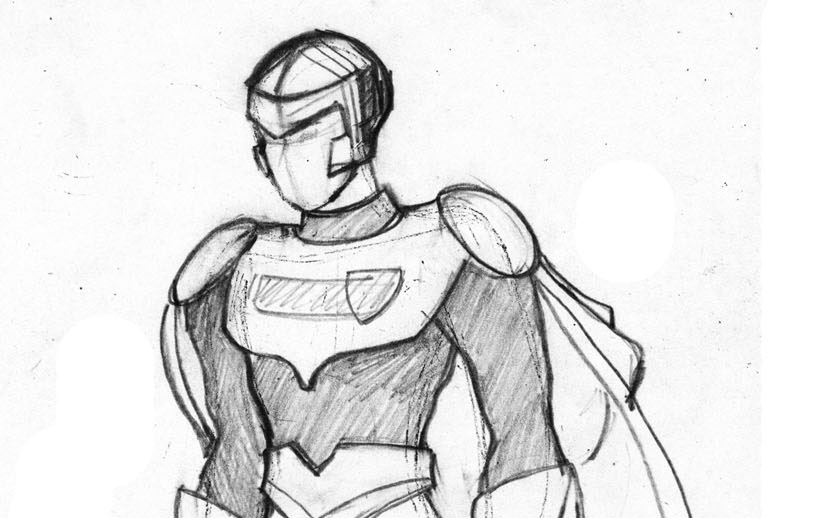
It has been years since I have been a part of this team, but seeing this reminds me of his very humble beginnings. The first script for this show languished for years in the desk of an ad agency. I was given the outline when I was interning with them and, being the comic-enthusiast that I am, could not resist putting together the earliest designs for his look.
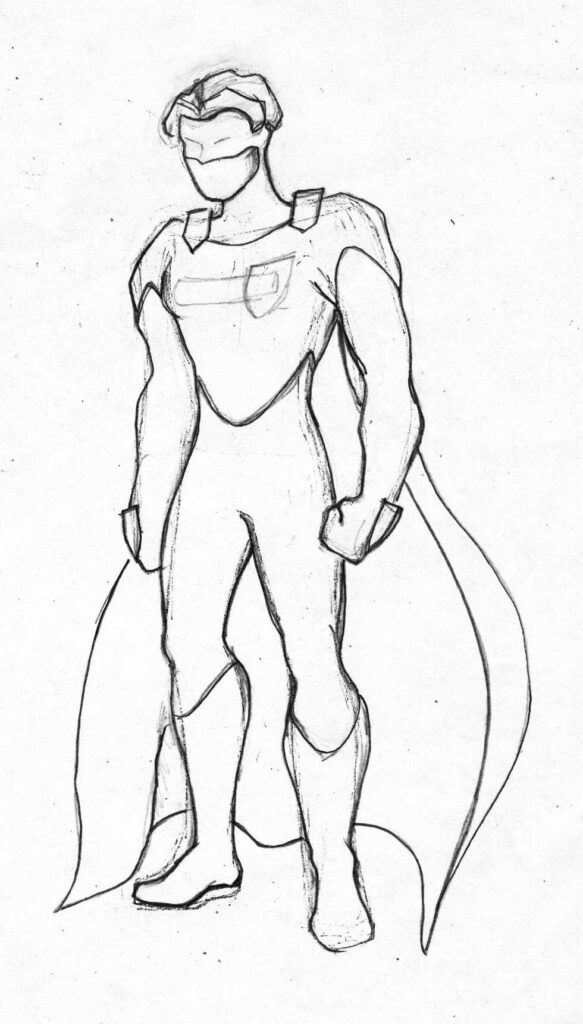
The first few ideas of how Commander Safeguard might look His design passed through many iterations, and apparently quite a few committee approvals. Nevertheless, this is what came of it.
I did not have a hand in his final design, but I did enjoy getting to animate the living daylights out of him!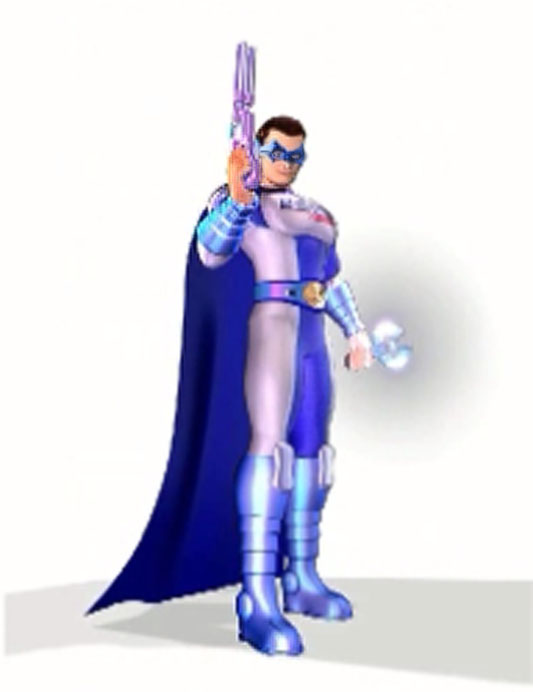
-

The Character Mosaic Project
The Character Mosaic Project aims to increase representation of minorities and under served populations by making a number of ethnically accurate characters available online. The hope is to encourage animators and artists to produce more relevant and empathetic stories for broader audiences, and to allow young children to see themselves in their favorite stories.
To learn more, you can view our project pitch here:
-
Bob Walk Animation
I enjoy building specific characters for my classes to help them practice visualizing animations for a variety of characters.
This includes different types of ball rigs, a squirrel rig (basically a ball rig with a tail), a flat pencil-like character and this one-eyed biped named Bob.Bob is a favorite in my grad animation class and is invariably used in our biped walk cycle exercises.
This is a clip of a walk cycle I animated in our labs this year as I led my students through the process of blocking, splining and clean up. The only thing missing is facial animation (blinks etc.). -
Fear the Mascot: Ribbon Spine
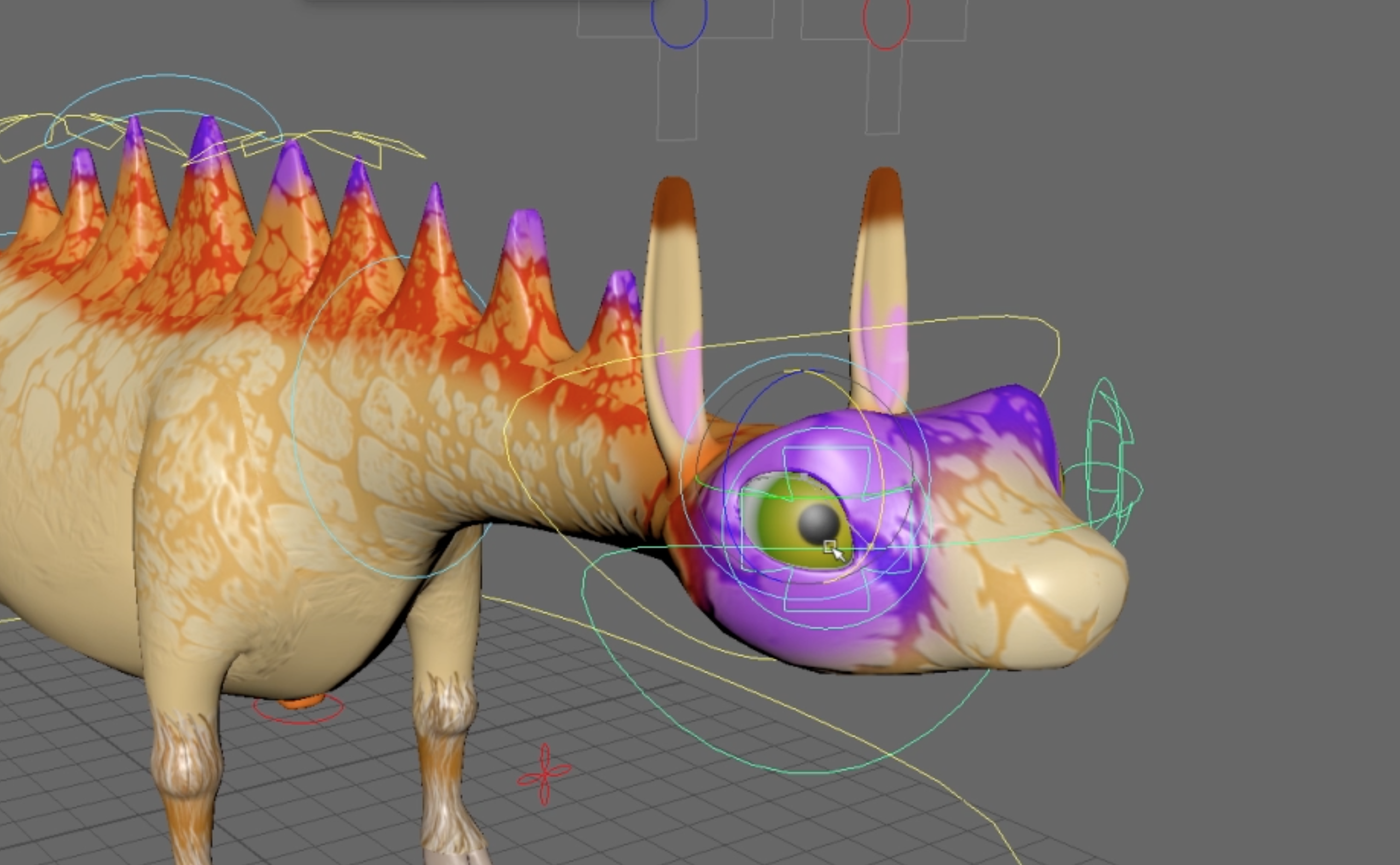
Every year, my intro to 3D modeling class directs the creation of a hybridized character as we explore how to model organic creatures. After about 5 years of classes, I seem to have built up quite a collection of petrifying creatures that should really never be seen in real life!
This year’s class mascot, Fear ended up being a big hit. With the head of a snake, the forelegs of a goat, the hind legs of a cat and the tail of a raccoon with some added dinosaur spine ridges thrown in just for fun, Fear is surprisingly quite a handsome creature!
Being UV mapped and posed by the end of the semester, I found him to be the perfect candidate to test out a few simple rigging techniques on, my focus here being the ribbon spine. I may revisit the rig later to add in a reverse FK spine too, but that depends on whether a new favorite mascot emerges! See a small demo below!
-
Iroquois Creation Story Rigs Demo
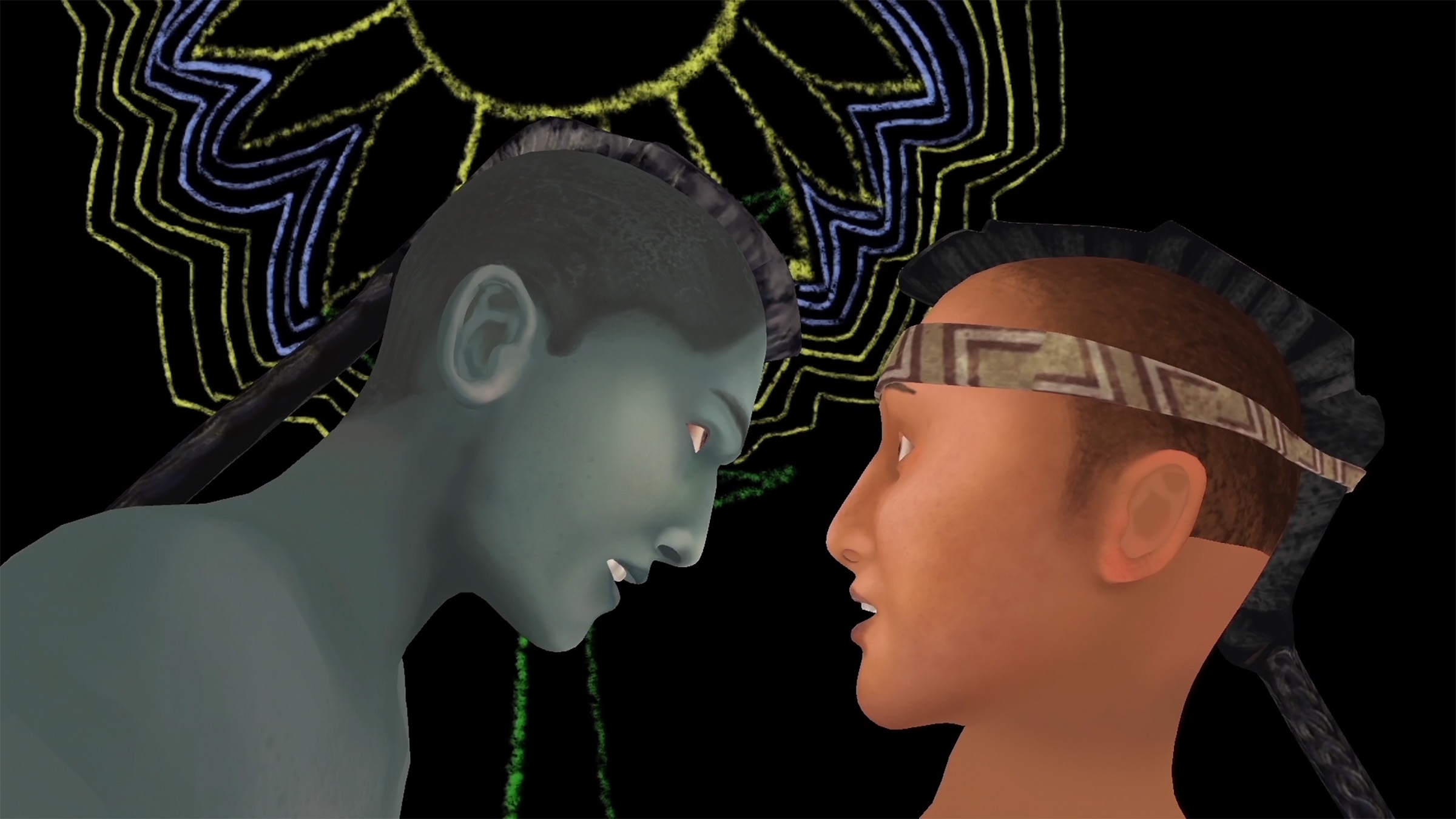
The Iroquois Creation Story combined 2D, 3D and live film footage in one space, but ultimately we ended up creating the majority of our characters in 3D. As we had not initially planned for many characters, I had decided to take on the rigging myself on top of my duties as the Director of Animation.
What ensued was a fun(!) experience in setting up 8 characters in short order. Whew!
Thanks to Kevin MacLeod for his royalty-free piece Danse Macabre for giving life to the edit!
-

The Character Mosaic Project
The Character Mosaic Project aims to make diverse characters more accessible thereby encouraging animators and filmmakers to make more ethnically inclusive stories.
As these characters get refined, they will be made available to broader audiences as international and domestic animation professionals will be able to use them in their films as well. This project will bring attention to (and address) a very important issue in mainstream media and step away from limited stereotypes and unfair projections.
Sheryl Browne Graves speaks to this directly in the Journal of Social Issues:“Television programming provides information about social groups in two ways: by inclusion and by exclusion. When diverse groups are included, television content offers specific examples of the physical, psychological, social, cultural, and economic characteristics of each group. However when groups are absent from the television curriculums there is implication that the missing groups are unimportant, inconsequential, and Powerless. Both types of information can contribute to the development, maintenance, and modification of children's thoughts, feelings, and actions towards racial/ethnic groups.”
It is hoped these characters will begin a new movement to represent a multitude of nationalities and
cultures around the world. By creating meaningful characters we hope to provide a new cast of
role-models for younger generations, thereby allowing them to empathize with other races and
cultures and attribute a sense of familiarity to them.
-
CGMA Rigging Workshop
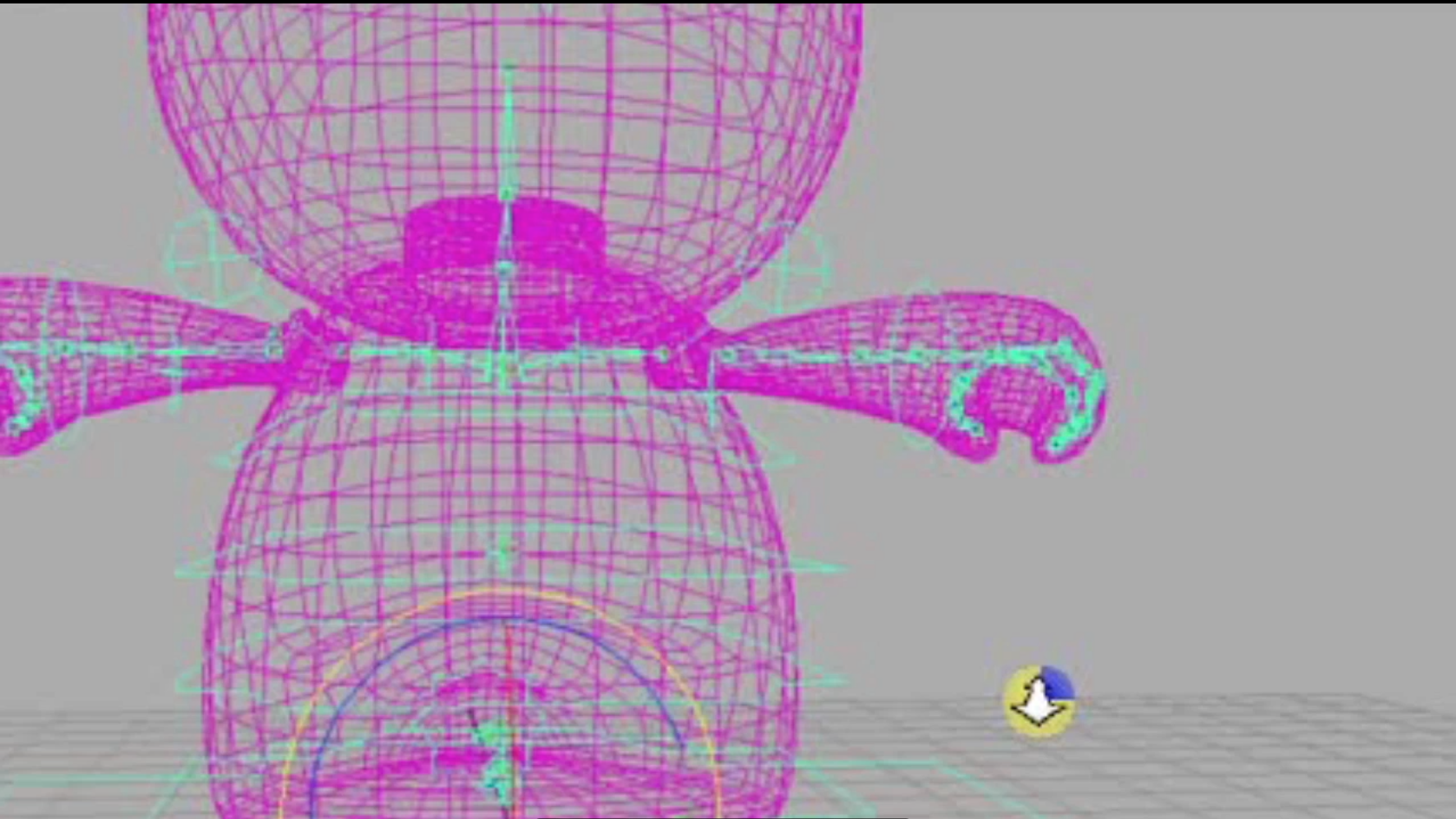
Super excited to have completed this intensive yet illuminating course with the CG Master Academy with Nico Sanghrajka!
I’m so inspired I can’t wait to redesign my own rigging class to reflect the new information!



-
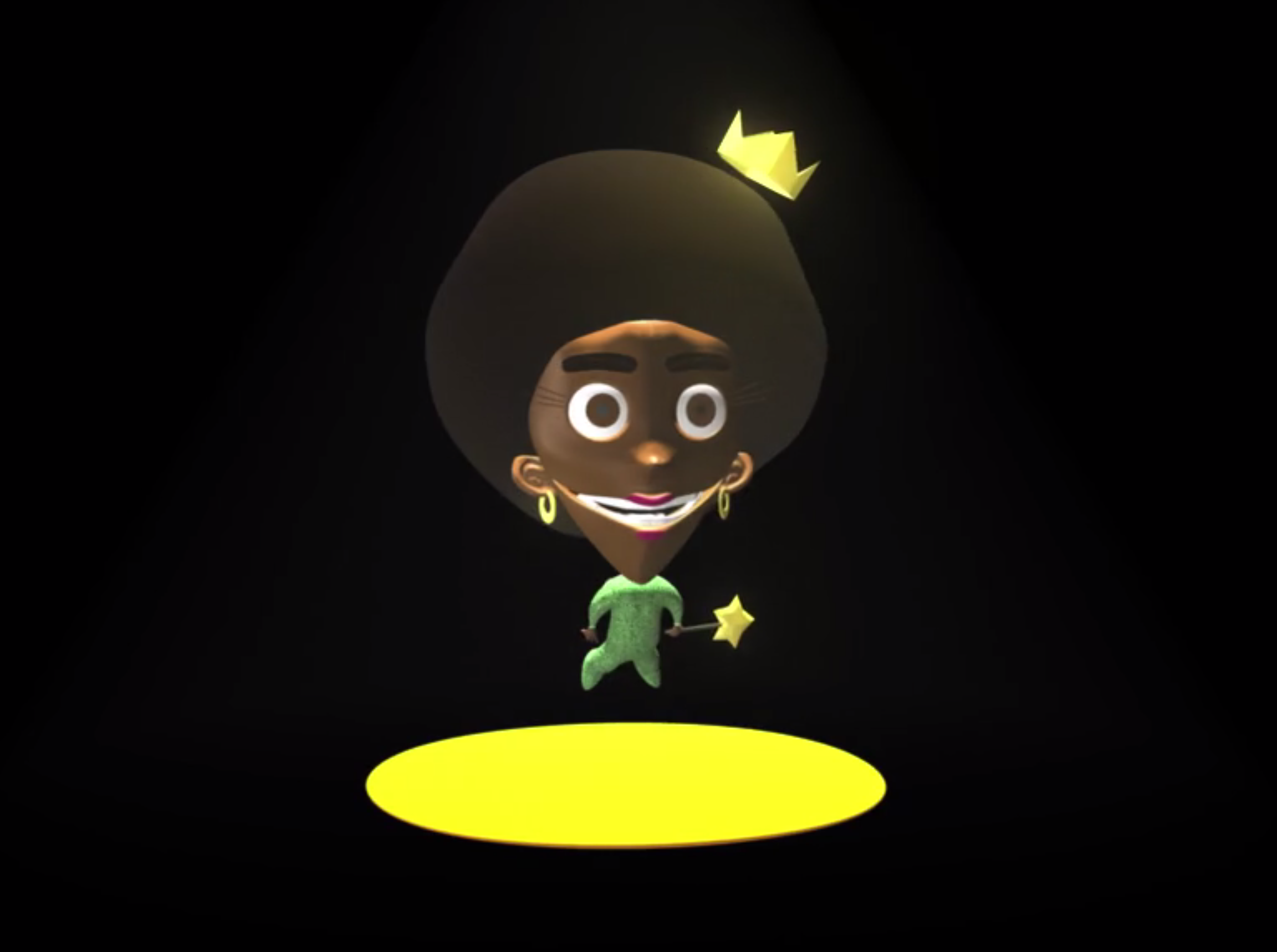
Modeling 2014 – D Givens (mov)
This is a freshman class in the semester system. Students are introduced to Maya and the 3D space and then led through various modeling exercises. Concepts of character design are also discussed and are visible in the final results of their projects.
Self-portrait created for my freshman modeling class where students were asked to make a caricature of themselves in the style of their favorite animated series.